Tonight I presented my experience at Slow Food's Terra Madre 2014 Conference at the Wolfville Farmers Market. Here is my presentation with links and notes- flip through and enjoy.
Links and Discussion Points
Introduction
Hello I am Duncan Ebata, it is my mission in life to promote good, clean, fair food in order to sustain, healthy and resilient communities.
I believe that new media technology, combined with authentic, community marketing, can transform food production, distribution, consumption, and community. By leveraging new media technology and building community, we can decentralize commerce so that farmers and rural communities can make living wage. We started HarvestHand Community Platform last year to strengthen local food communities through new media after two years of building software for CSA farms. It's now my full-time job to promote CSA Farms and build food communities HarvestHand. If you like what we're doing, we'd love to connect with you on Facebook
, Twitter
, and or with one of our food community projects.
What is Terra Madre Conference?
Terra Madre is Slow Food's international conference bringing together slow food delegates from around the world in Turin, Italy. Its purpose is to celebrate, share, educate, explore, and build capacity around good, clean, fair food and biodiversity. Learn more
Terra Madre Day- December 10th
This year's theme was highlighting local foods at risk of disappearing and small family farms. All over the world, traditional food products are disappearing, along with the knowledge, techniques, cultures and landscapes related to their production. This is where Slow Food’s Ark of Taste comes in – a project to catalogue and protect these foods. Learn about or nominate local foods at risk in Canada here: arkeoftaste.slowfoodcanada.ca
Tackling Food Waste
FoodSharing.de - German network of citizens for redistributing food that would otherwise be wasted. Participating farms and food purveyors put the word out that they have food about to go to waste and people pick up the food and redistribute it. To handle legal issues, the redistributor signs a contract with the business or individual that transfers the safety and legal responsibility to the the redistributer. All types of food purveyors, farmers, and citizens are part of it. Regular pickups are scheduled with businesses (bakeries, cafes, supermarkets, farmers markets, farms, restaurants etc.) and people use the website as a forum to post if they have good food that needs a new home.
CropMobster -started by the wonderful and brilliant Nick Papadopoulos. Nick is a farmer, CSA farm manager at Bloomfield Organics, and Food Waste Superhero. Sometimes Nick writes articles for the Huffington Post. How CropMobster works: "By leveraging social media and “instant alerts” we spread the word quickly about local food excess and surplus from any supplier in the food chain, get healthy food to those in need, help local businesses recover costs, prevent food waste and connect our community in new and fun ways" Read more
Economics Of Happiness Notes:
Joel Simo, Vanuatu said, "according to the rest of the world we are poor (referring to his home country Vanuatu). This is because we are 168th in the world ranking of Gross Domestic Product (GDP) by country (GDP being the way most countries measure their wealth). But... when we asked our citizens (around 1 million people) if they feel poor, they all say they are happy. They said that they have roofs over their heads, they have enough food, and they are happy. So then why does the world the world think we are poor?"
Manish Jain, India- if you are in search of happiness, go look up anything you can find on this man, he’s legendary and inspiring. Manish elaborated on various ways in which people find/of finding happiness. Near the end of his talk he said, "do you want me to tell you my grandma's secret to happiness?" Naturally everyone said "yes!" He said, "So one day I was sitting with my grandma and she told me what the secret to happiness is. She said, "#1 Touch. #2 Forgiveness. #3 Silence. #4 It's a secret." (insert cheeky smile).
At the end of the talk, Manish convinced 50 people who attended the session to hug both of their neighbours, and everyone hugged each other without exception. In case you want to do this with a big group of people, here's how:
1. First ask everyone if they want to try an activity that is proven to make you happy. Even if people are unsure, no one ever says no.
2. Ask everyone to stand up and put their hands together.
3. Ask everyone to turn to their right or left.
4. Ask everyone to open their arms and then close them around their neighbour
5. Then say to turn to their other neighbour and do the same.
That's it. Now you have a group of happy people. This may very well be the best icebreaker in the world. Imagine the power of 50 complete strangers hugging each other, smiling, and laughing at a conference with over 10,000 visitors from 158 countries.
Happiness Links:
The Economics of Happiness Documentary featuring Vandana Shiva and Manish Jain.
Economics of Happiness Facebook page, the content is so good, I read every post.
Real Food in Schools with Jamie Oliver and Alice Waters
Watch this talk! The work and knowledge in this talk is amazing.
Sustainable Trust also has other videos from Terra Madre 2014: https://www.youtube.com/channel/UCmX-D9mfdlbRkyxC_UzGhxw/videos
Impact Campaign Advice
Featuring: Nick Papadopoulos and Tristram Stuart (Food Waste Hero, Author of FOOD WASTE- Uncovering the Global Food Waste Scandal, Feedback Global Founder)
Nick Papadopoulos: How to break big unnecessary food contracts:
-
Target decision makers
-
Get the mom's board
-
Start alliance with farmer associations
Create impact stories! With clear metrics:
-
2,000,000+servings of local nutritious food saved from going to waste in Sonoma and Marin counties.
-
1,000,000+ pounds of premium local food saved from going to waste in Sonoma and Marin counties
-
5% average increase in sales bottom line for small farms
"That’s the impact, that’s powerful!" -Nick Papadopoulos
Tristram Stuart
Show people the real reasons there is a problem and show people how they can make change. The problem and change activity must be linked. If people do not understand the values behind what they are doing, it's impossible to create sustainable change. If people shift behaviour for values then you can take them on a further journey of other issues. Cultivate the values!
http://feedbackglobal.org
Slow Food Youth Network
I met people of all ages who are involved in it. I met a delegate who was 12 years old and actively organanized events in her community. The message Slow Food Youth was "Do you feel young?"
Disco Soup
I was fortunate enough to attend one in Essen, Germany, that, my super awesome slow food leader and workshop facilitator friend, Anne Stieger organized. We cooked and redistributed 2 metric tonnes of food from local farms that would have gone to waste. In attendance were people from all walks of life from homeless people to bankers to activists.
The event was hosted in a low income neighbourhood in a pedestrian only street.
Get Involved with Slow Food
Become a Slow Food member or attend an event, all events are public: slowfoodns.ca
Remembering what vegetables and fruits are in season is difficult if you are not farmer. To quickly find out what's in season we usually just look at what is in the deliveries of CSA's (Community Shared Agriculture) using HarvestHand CSA Software or we check our poster on the fridge. For example, you can see Taproot Farm's (in Nova Scotia) latest vegetable harvest here. If you want a what's in season poster for your fridge, here are the best free "Eat in Season" charts and "Eat Seasonably" infographics that we could find for Canada and the United Kingdom. Please share other charts with us on Facebook, Twitter, or via email.
Select Nova Scotia, Canada, What's in Season Chart:
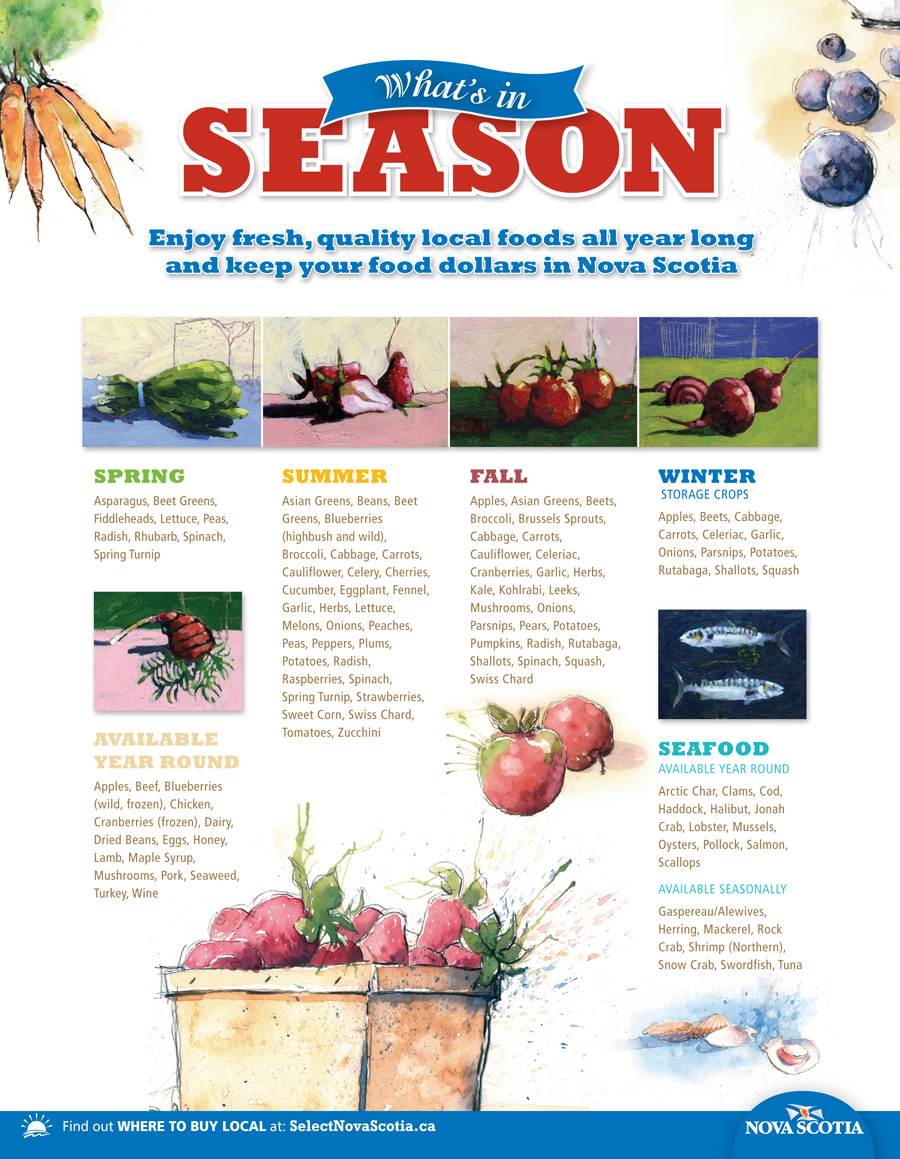
Download the print version here and view Select Nova Scotia seasonal recipes here.
Ontario Canada's Vegetable Availability Chart
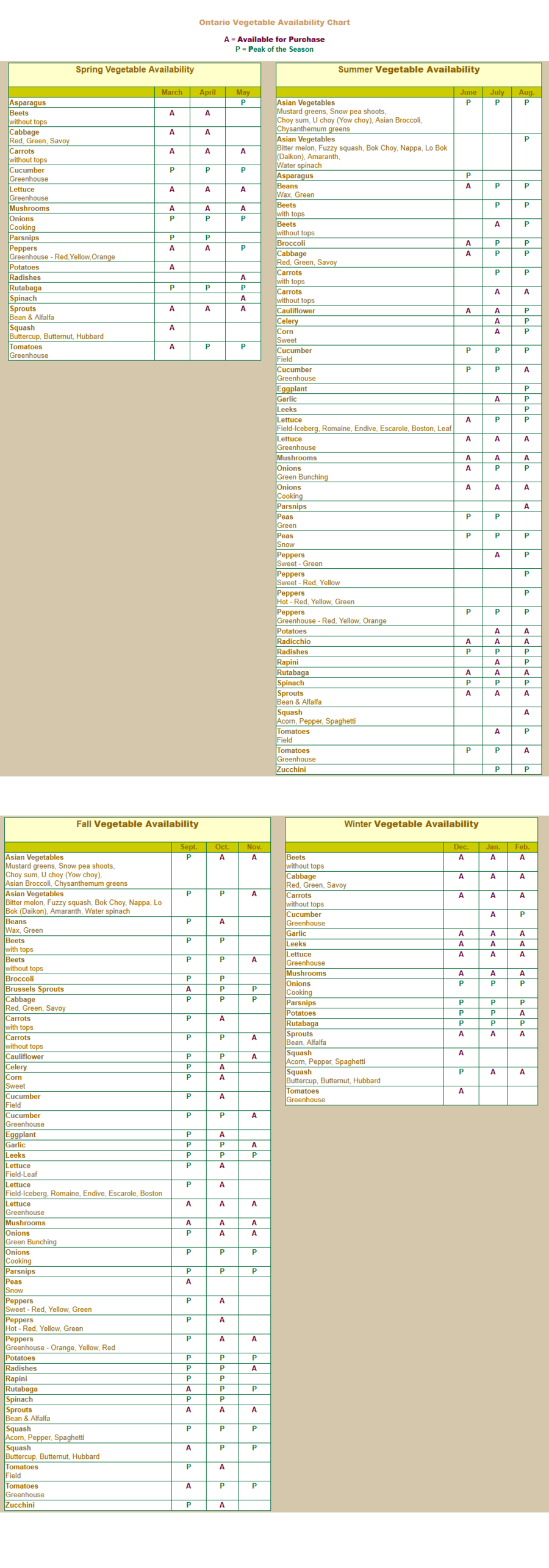
Download Ontario chart created by the Ontario CSA Farms Directory- for print here or view online here.
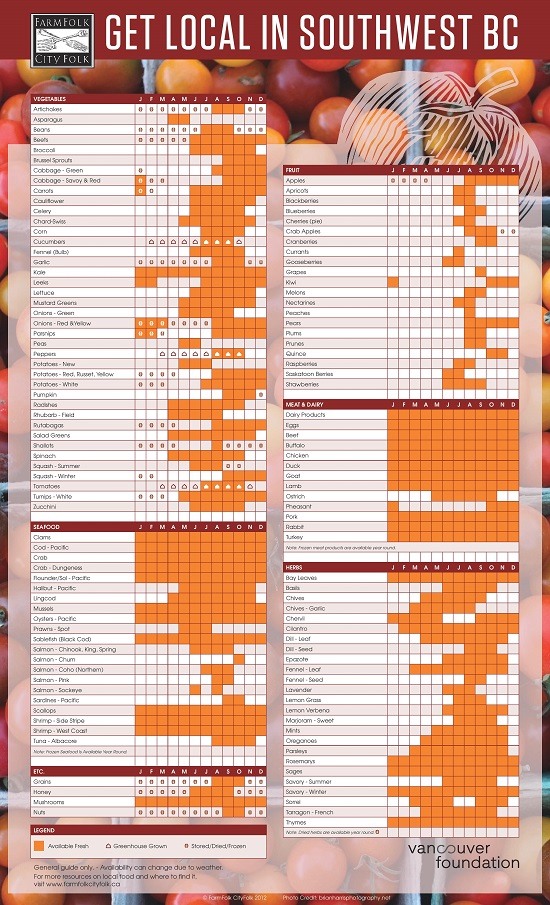
View online and download online at GetLocalBC.org This chart was created by the awesome people at Farm Folk City Folk.
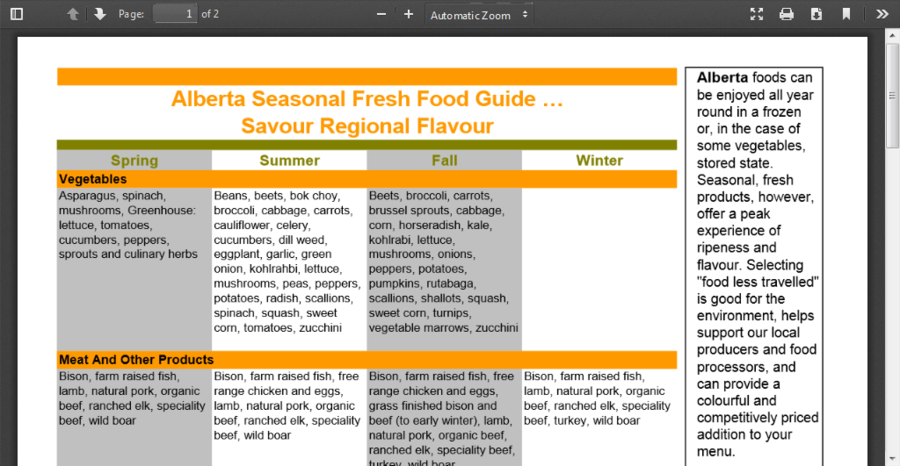
You can download this chart from the Alberta Agriculture and Rural Development website here.
United Kingdom Eat Seasonal Fruit and Vegetables Calendar Infographic
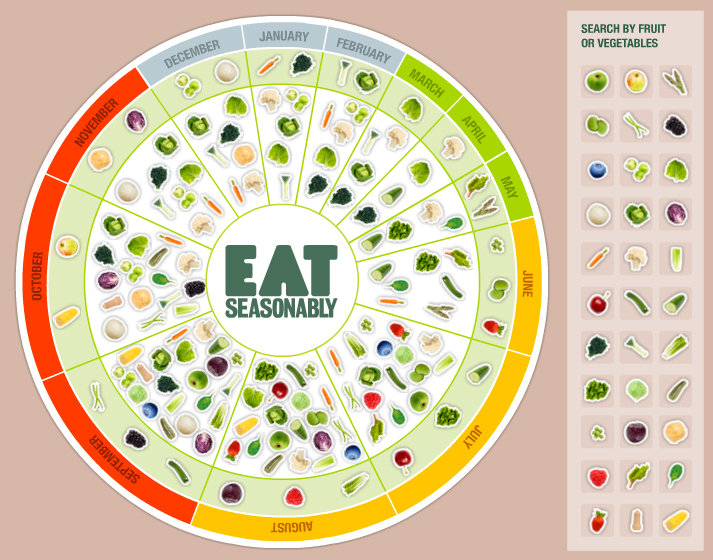
Download full size version from Eat Seasonably UK here.
Want more awesome local food resources?
Join Our Community
Please share local food charts with us on Facebook, Twitter, or via email.
Have you ever thought about what it would be like to eat 100% local food? Did you know that the majority of food we consume in Nova Scotia is imported? (some estimates suggest over 90%) Imagine how different the Nova Scotia economy would be if we just ate local.
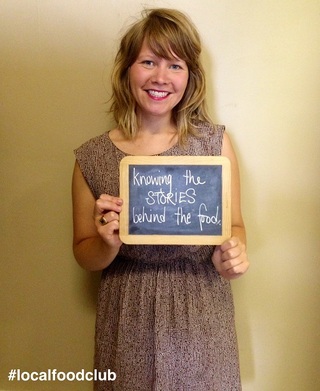
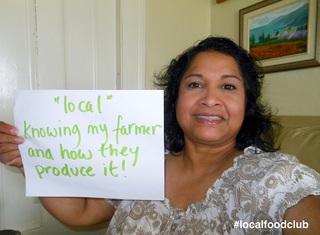
Recently, I (Duncan) have been inspired by friends at Farmers’ Markets of Nova Scotia (Alicia, Keltie, Natalie and friends) who have successfully rallied over 2,320 Nova Scotian’s to join the 50% Local Food Club. Members of this club have pledged to eat at least 50% local food for the entire month of September 2014! Awesome, right? If you haven’t already, please join the club and share this challenge with your community: nslocalfoodclub.wordpress.com
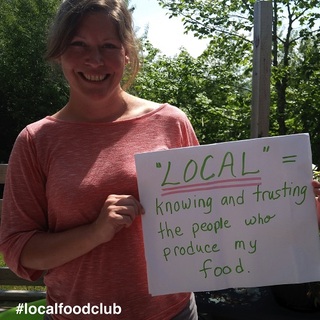
Why is local food important to us?
We, the HarvestHand community (join our community on Facebook) believe that it is imperative that everyone in the world takes action and becomes involved in strengthening their regional food system. Whether you are involved in food production, distribution, consumption or community, we believe that you can make a difference in making our food system stronger and more values-based (fair, good, clean etc.)
5 Great Ways to Get Involved with Local Food (in Canada):
1. Buy Food Directly from Local Farmers
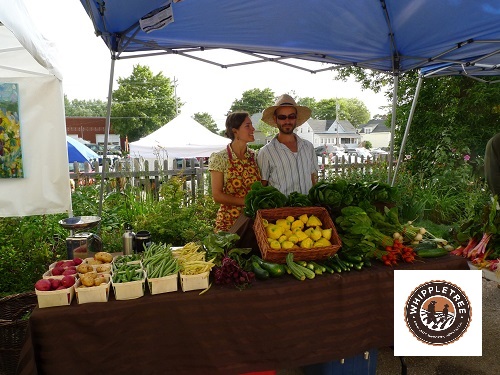
Join a Community Shared Agriculture (CSA) Farm (see our Canadian CSA Directory), buy food from a local farmers market (see Farmers Markets' Canada Market Finder ) and or buy your food from a farm stand. This is the easiest way to get involved and support people growing and distributing food near you!
2. Attend a Local Food Event
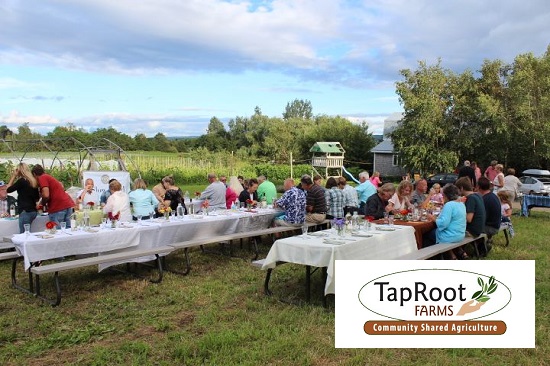
Eat yummy food, meet people, and have a great conversation. One of the best ways to find local food events is through your local Slow Food Convivia. There are Slow Food community groups in 150 countries around the world and anyone is welcome to join. Find your local food community at http://www.slowfood.ca
3. Start Growing Food
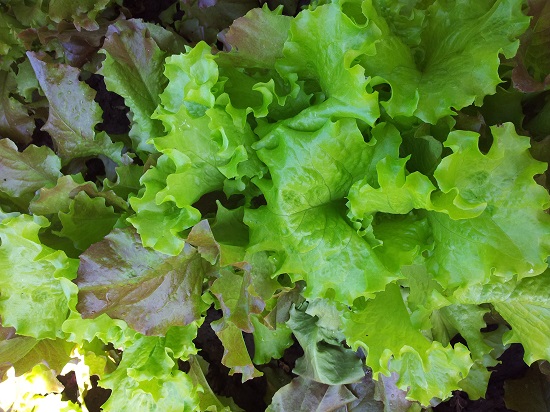
You can’t get any closer to local food then your backyard. If you don’t have your own garden space, join a community garden, ask your neighbor to use their land, or go work or volunteer on a farm.
Volunteer or work on a farm: Wooffing or WorkAway.Info- two worldwide networks for working on farms!
4. Work in a Food and or Farm Business
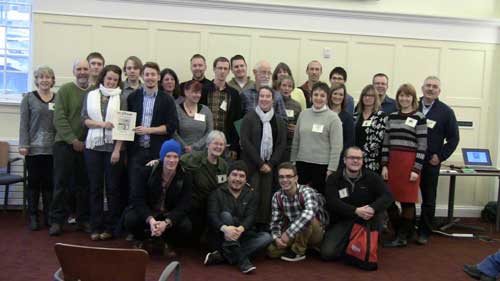
Look for food companies and farms near where you live and see if your skills match their needs. Local Food Work’s job section is a good place to look for local and sustainable jobs in Canada. Another way to get involved is to volunteer your skills through idea incubation, mentoring, and start-up events. In January we hosted our first food and tech start-up event called F5://Food Refresh Food! The idea is simple, bring together big thinkers,designers, software developers, food purveyors, and farmers together for 48 hours to work on software ideas to enhance local food communities. It was inspired by Hack Meat and Hack Food. Check out food.refreshannapolisvalley.org.
We’d be delighted to share what we learned if you want to start your own! Send us a note
5. Become Active in Food Policy
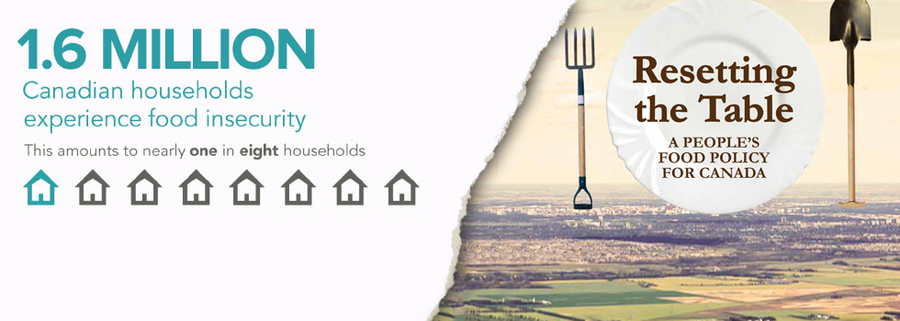
If you find yourself thinking philosophically about food systems, healthy food and food security, take action by getting involved with food policy! On November 13-16th, 2014, Waves of Change: Sustainable Food for All, Food Secure Canada’s 8th Annual Assembly, is being hosted in Halifax in collaboration with FoodARC at Mount Saint Vincent University, Nova Scotia Food Security Network and ACORN (which holds its 15th conference in the same location).
Check out the newly updated speakers list for Waves of Change: Sustainable Food For All
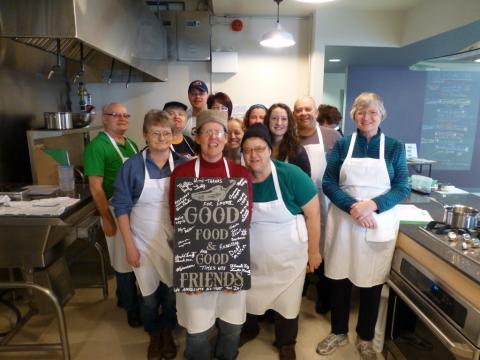
Kitchen photo from Community Food Centres Canada
Other great ways to get involved with local food in Nova Scotia include:
Farm to School Nova Scotia by Clean Nova Scotia
Ecology Action Centre (EAC)- Food Action Committee
Nourish Nova Scotia
Community Food Centres Canada
We want to hear from you, how are you involved with local food?